RELIABLE POWER EVERYWHERE.
ANYTIME.
SUSTAINABILITY AT A REASONABLE PRICE.


THE STORY OF IRON ENERGY
Born as an ETH spin-off, IRON ENERGY builds on Swiss excellence in innovation and engineering. We developed a long-duration energy storage solution feasible for seasonal storage — enabling communities and industries to achieve energy self-sufficiency. By combining sustainability with resilience, we are helping to transform today’s energy system into one that is ready for the future.
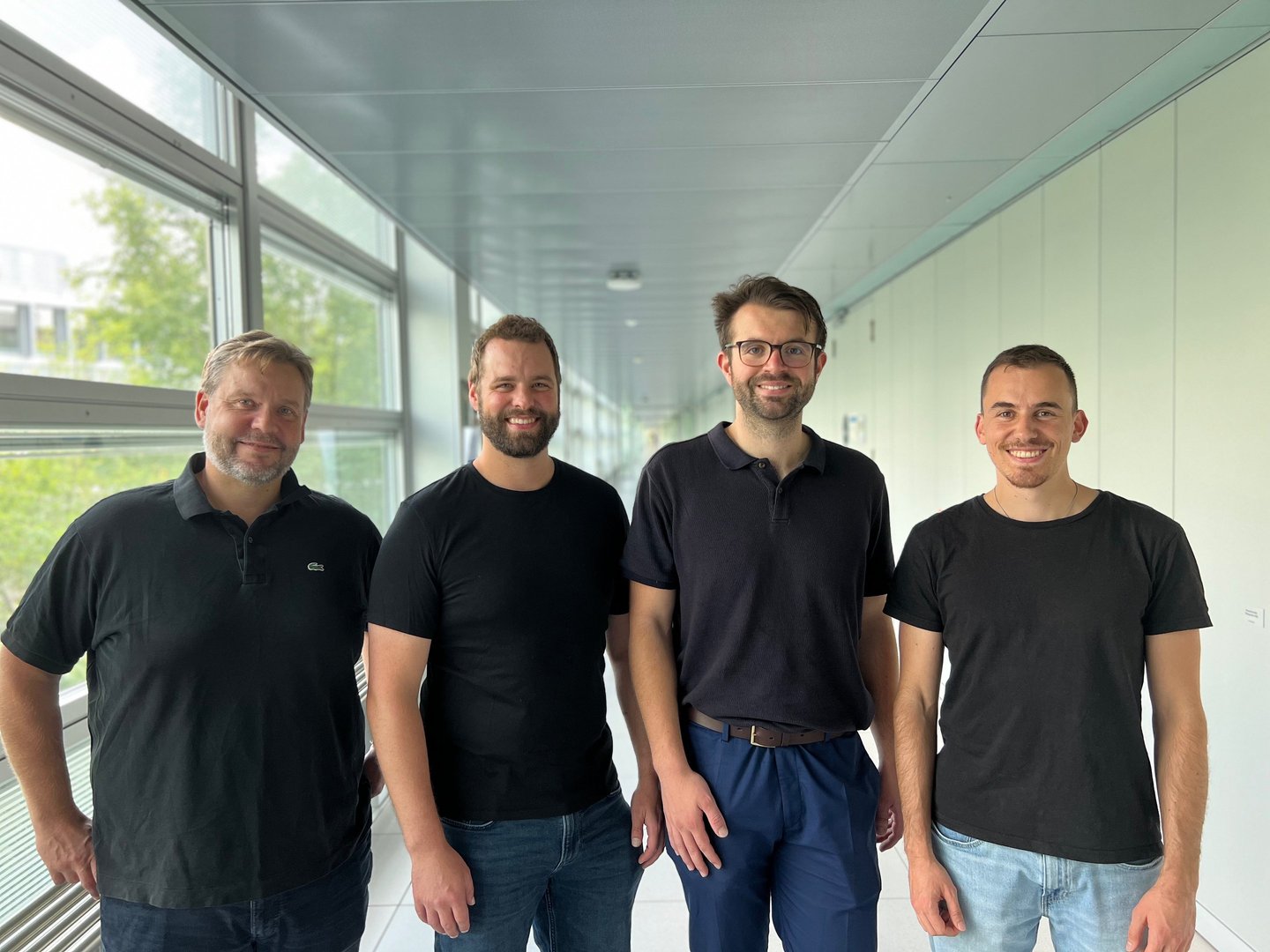
WE POWER IRON ENERGY
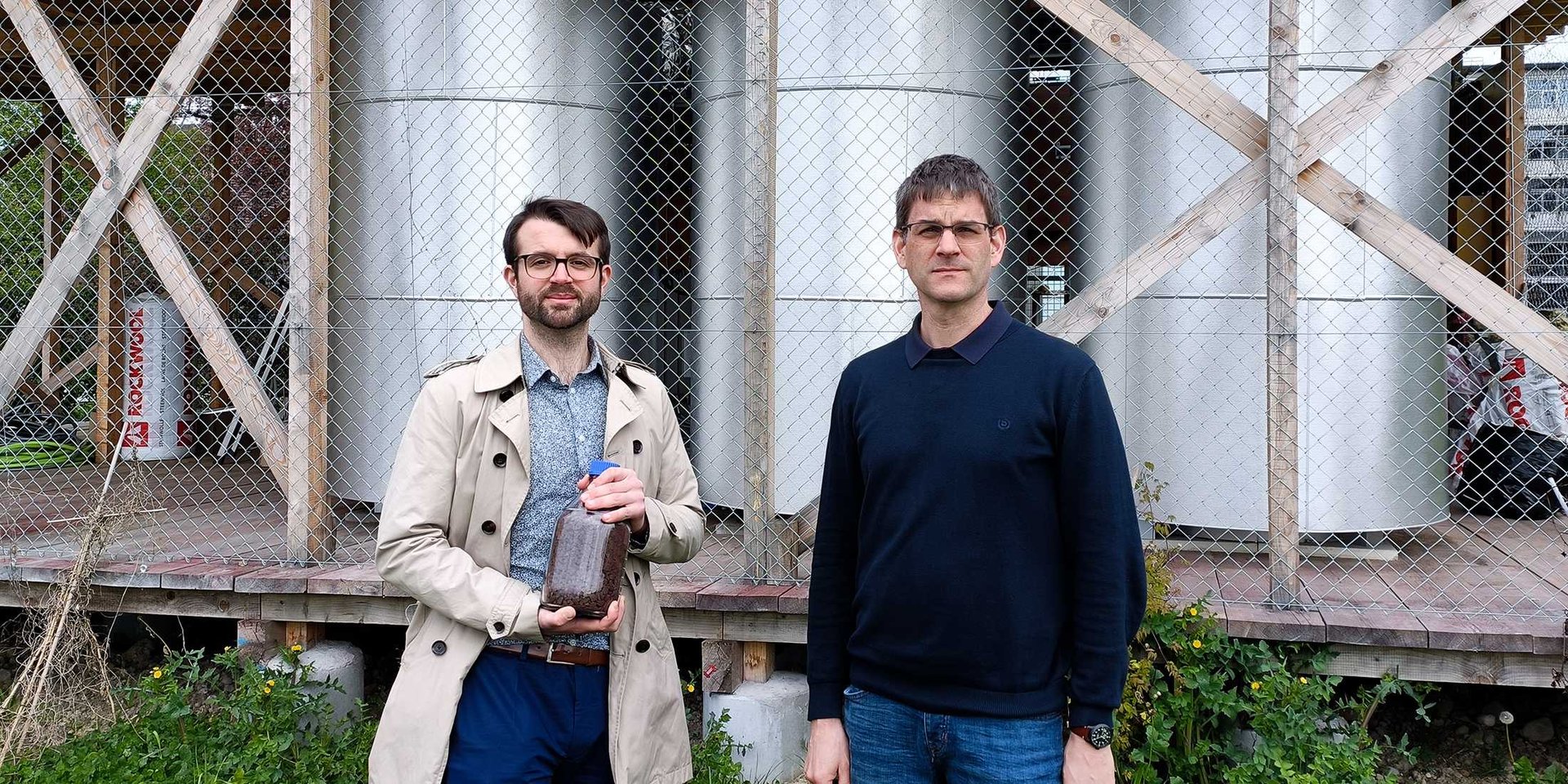
IRON ENERGY is powered by a team of four entrepreneurs who bring together diverse backgrounds and complementary strengths. From cutting-edge research in energy systems to hands-on experience in engineering, business strategy, and project execution, we combine the competencies needed to turn vision into reality. What unites us is a shared drive: to build solutions that make sustainable, self-sufficient energy a reality for communities and industries.
Innovative Technology
Swiss Quality
Integrable Solution
Durable Design
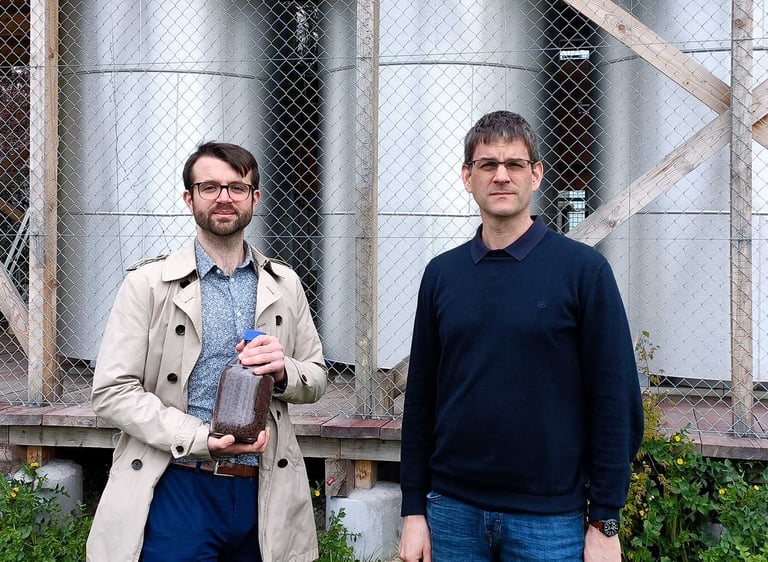
Meet the Team (left to right):
Dr. Lauri Lehtonen – COO
Brian Petrus – Head of Engineering & Projects
Dr. Samuel Heiniger – CEO & CTO
Daniel Bloch – CFO




27 %
of solar power is sold at negative prices
7.2 bilEUR
of electricity was curtailed in Europe in 2024
up to 900 hours
of electricity was sold at negative prices in Europe in 2024
Did you know?
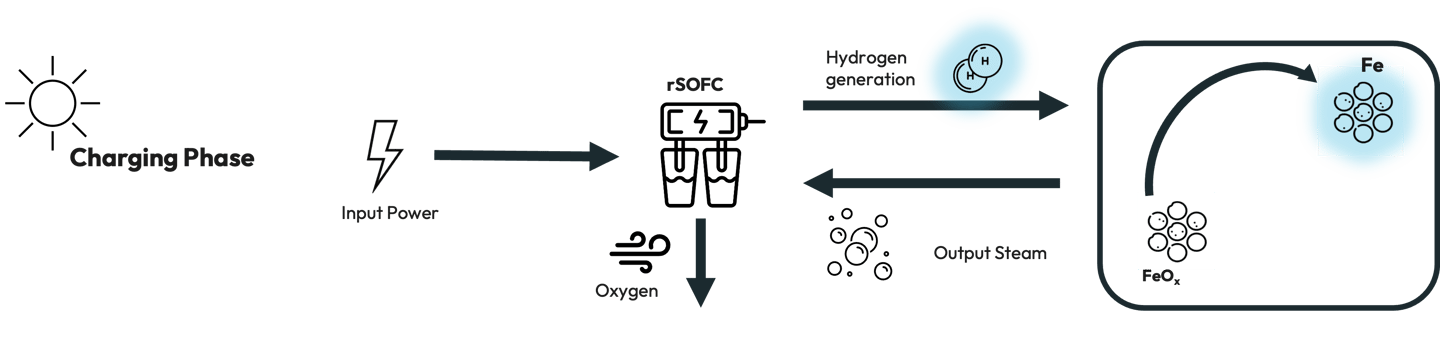
Step 1: Conversion of Power
Electrical energy is supplied to the reversible solid-oxide fuel cell / rSOFC.
The rSOFC operates in the charing phase as an electrolyzer:
Steam is fed into the cell.
Hydrogen is produced while oxygen is released.
Step 2: Charging the Iron Battery
The generated hydrogen is introduced into the storage vessel, which is filled with iron oxide (FeOx), under atmospheric pressure:
At around 500°C, the hydrogen reacts with the iron oxide, producing steam and metallic iron (Fe).
The resulting steam leaves the reactor and returns towards the rSOFC side.
Step 3: Energy Storage
The iron now serves as a stable, solid energy carrier.
The electrical energy is stored in the form of chemical energy within the metallic iron.
This charged state allows for indefinite and safe storage, with the material ready to be triggered to release energy on demand for later use.
IRON ENERGY'S HIGH-TEMPERATUR
IRON-AIR BATTERY
Step 1: Hydrogen Release from the Iron Battery
Steam is introduced into the reactor:
Metallic iron is oxidized and release hydrogen in an exothermic process
The storage material remains stable — the iron oxide stays inside the vessel and is reused for the next charging cycle.
The released hydrogen is directed to the rSOFC
Step 2: Power Generation in the rSOFC
The rSOFC now operators as a fuel cell:
Hydrogen and air and is consumed
Electricity and steam (500°C) is generated
Step 3: Energy Output
Electrial power is delivered to the load
The remaining energy is released as high-temperature heat (500°C), which can be utilized for thermal applications.
Energy
Our storage systems achieve power-to-power efficiencies of up to 60%, while the remaining energy is available as high-temperature heat. It delivers an energy density of up to 2.8 MWh/m³—approximately 8× higher than lithium-ion batteries.
Advantages of Iron Energy
Sustainability
The process relies entirely on naturally abundant resources, and it is designed in a way that avoids the use of any harmful, hazardous, or toxic materials.
Safety
The system operates safely in a solid state at ambient pressure — eliminating the risk of explosion.
Costs
The usage of iron oxide allows to cut costs by 20 times cheaper than Li-ion batteries. Operative costs are marginal due to non-moving part design and non observable degradation of the material.
Integrability
The technology integrates effortlessly and harmoniously into the existing energy infrastructure.
Scalable
A well-established global market already exists for all components and materials involved, ensuring large-scale availability, reliable supply chains, and cost efficiency.


Our mission is to build the cheapest and safest long-duration energy storage system
Where to integrate our systems


RENEWABLE ENERGY PROJECT


WASTE INCINERATION PLANT
WASTE WATER TREATMENT PLANT


CRITICAL INFRASTRUCTURE


RESERVE MARKET
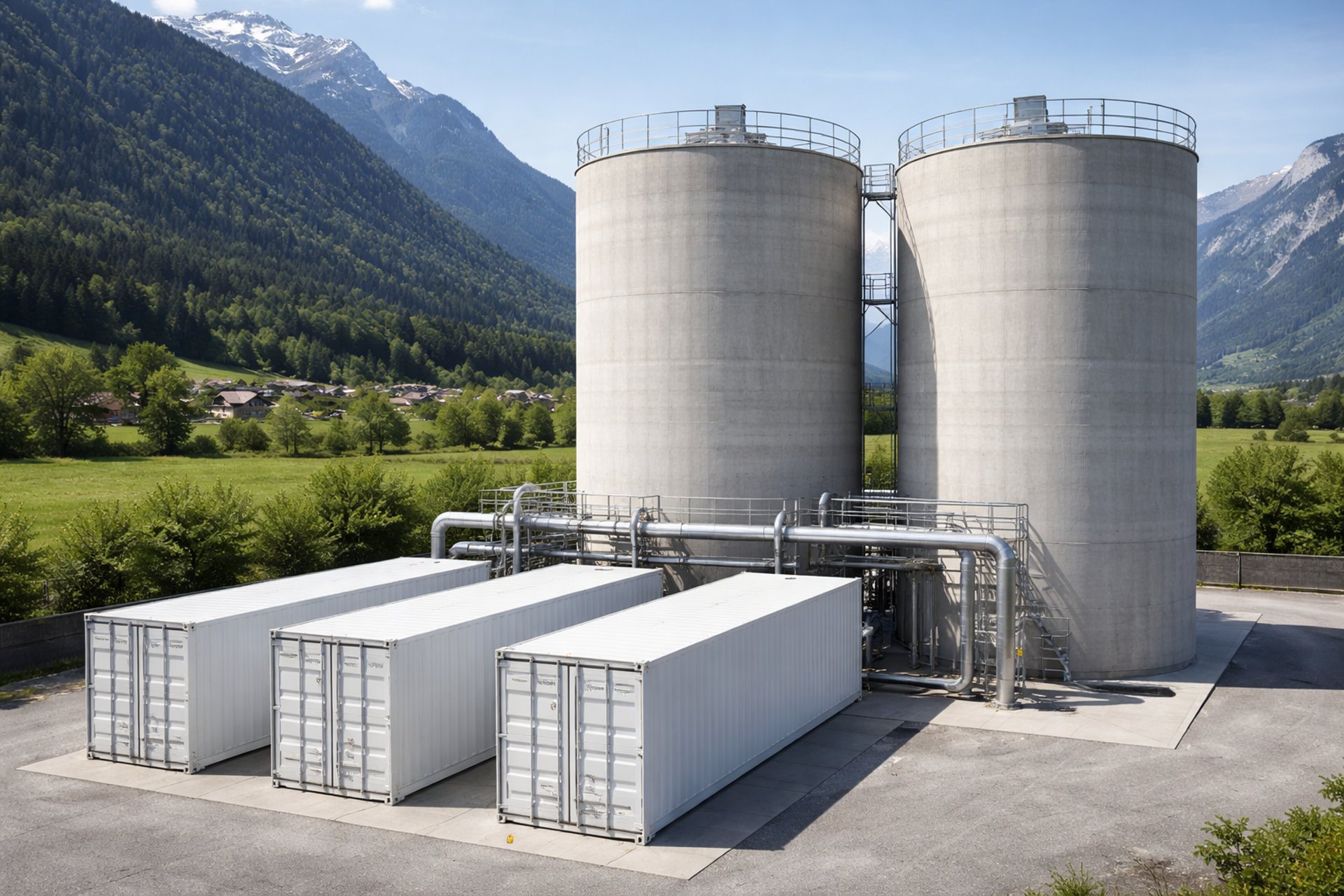
We develop and build large-scale, stationairy long-duration energy storage systems - tailored to each customer's energy profile and requirements.
ENERGY COMMUNITIES
Let's talk storage solutions
Have a question about our technology, or interested in integrating a storage system for your energy needs?
Reach out today.
What we do
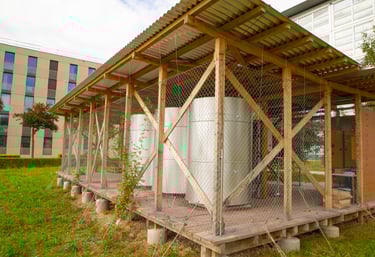
SEASONAL ENERGY STORAGE PILOT REACTOR
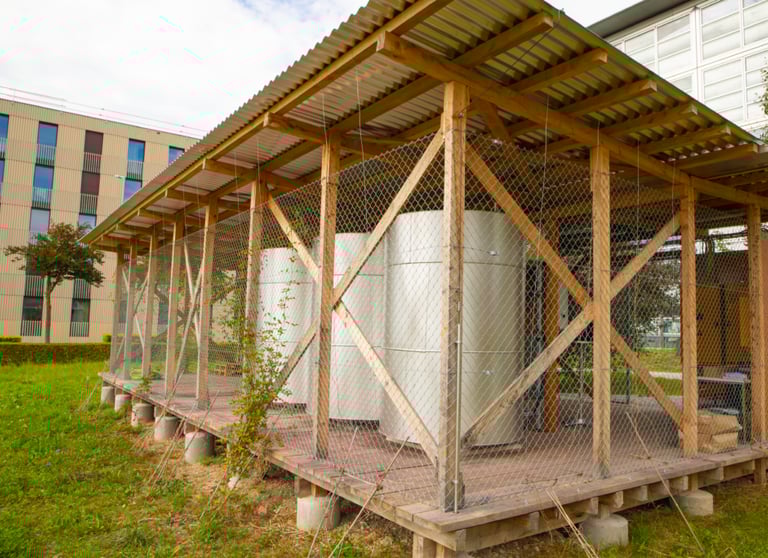
In 2023, our founder, Dr. S. Heiniger, commissioned a 10 MWh pilot plant at ETH Zurich's Hönggerberg campus as part of his PhD research at the Functional Materials Laboratory. The facility consists of three stainless-steel storage tanks and demonstrated the scalability of Iron Energy's seasonal energy storage technology beyond laboratory scale. The pilot plant operates as a fully integrated power-to-power storage system, using electricity and water. With a storage capacity of 10 MWh, it contains enough energy to cover the annual electricity demand of approximately three to five typical households.
CE-CERTIFIED DEMONSTRATOR (20 MWh / 200 kW)
To demonstrate the scalability and long-term reliability of our technology, Iron Energy is currently commissioning a 20 MWh, CE-certified demonstration plant with a hydrogen storage capacity of 650 kg. The facility will complete 50 full operating cycles in 1.5 years, providing critical performance data under industrial conditions. Successful operation of the demonstrator will elevate the technology from TRL 6 to TRL 8. The plant is scheduled to enter operation in late summer 2026 and is partially supported by an Innosuisse innovation grant.
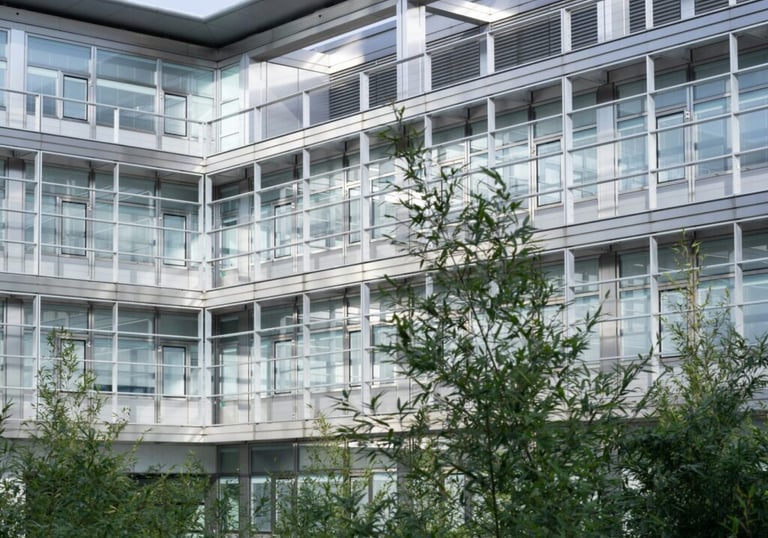
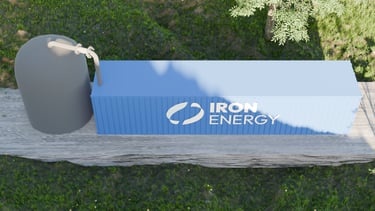
The Gen2 prototype of the energy storage system with an internal volume of 210 liters was built on a small scale in the laboratory by the Functional Materials Laboratory (Prof. Dr. W. Stark) at ETH Zürich. This provided valuable insights into the process and design of the system, which will contribute to the optimization of future storage tanks.
250 kg iron ore
Approximately 250 kWh of energy storage capacity
RESEARCH & DEVELOPMENT
Zurich, Switzerland
Grenzach-Wyhlen, Germany
Zurich, Switzerland
SWISS DATA CENTER ENERGY STORAGE PROJECT
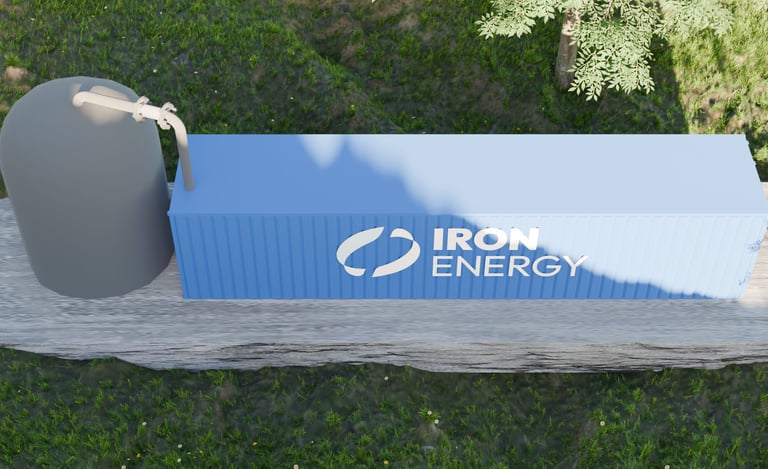
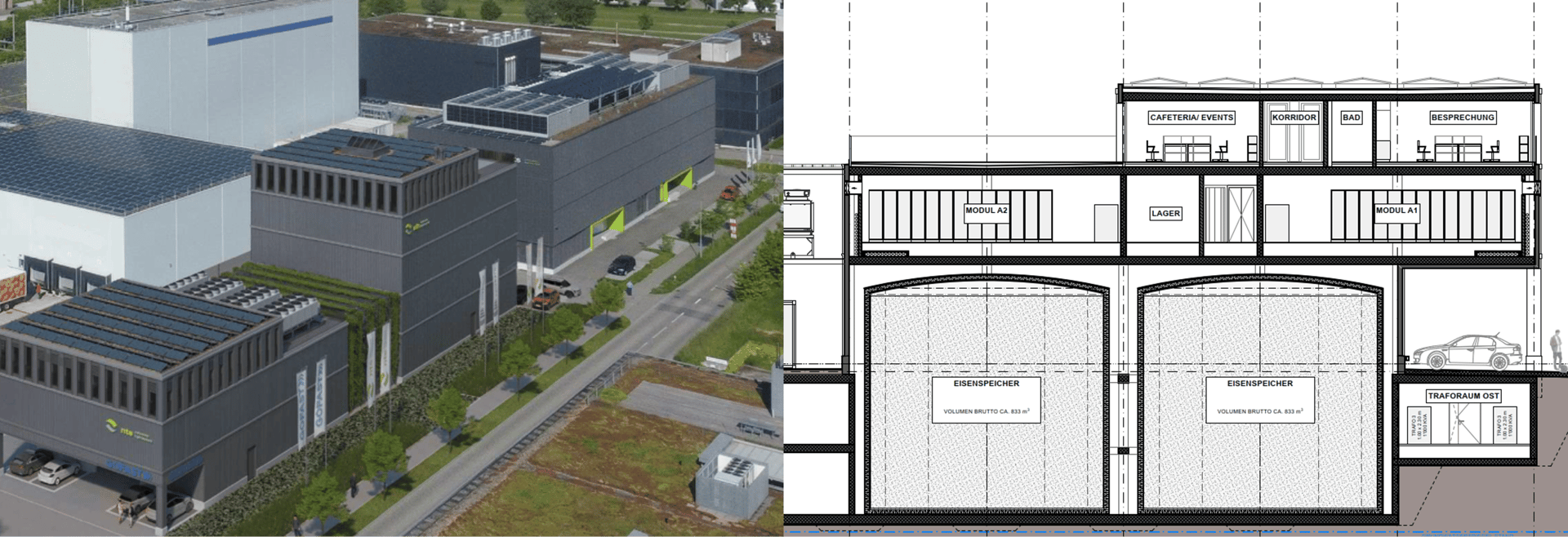
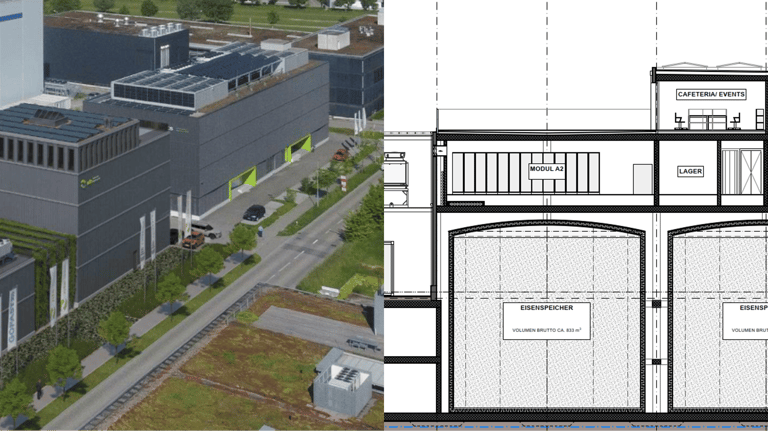
The first commercial Iron Energy installation will be located in the basement of a major Swiss data center operator (NTS Workspace AG) as part of the expansion of its existing facility in Bern. The project will become the largest battery in Switzerland by energy capacity.
The Iron Energy battery will decarbonize the data center's backup power system while creating additional value streams through energy arbitrage, peak shaving, and participation in the reserve power market. Furthermore, excess heat generated during operation will be recovered and sold to local industry, maximizing overall system efficiency and supporting regional decarbonization efforts.
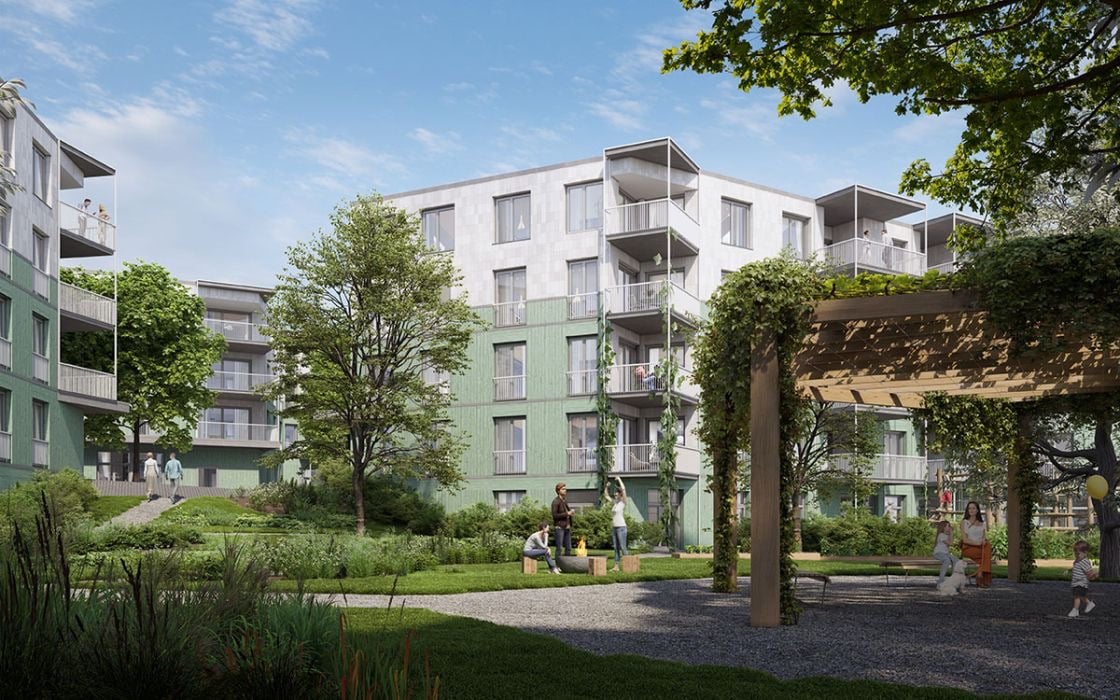
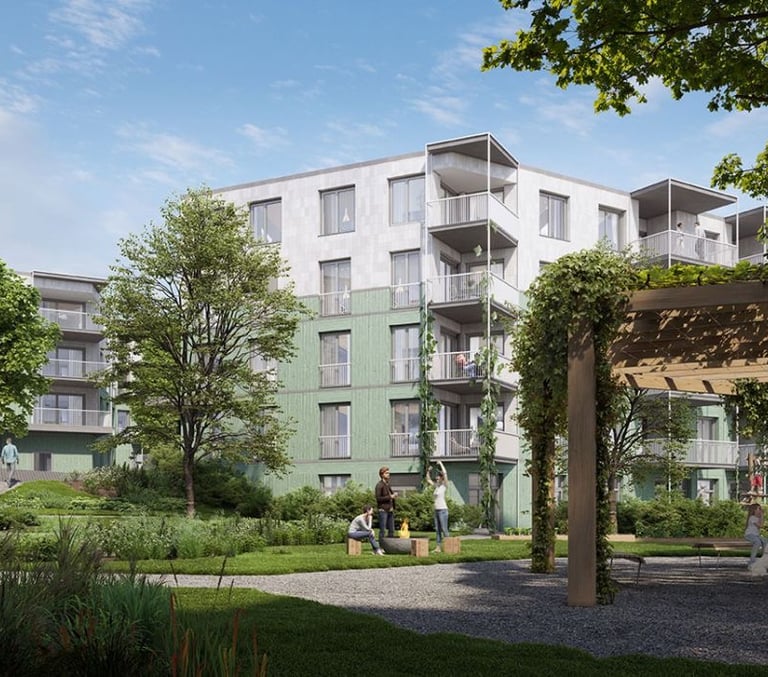
GREEN AND AUTARK BUILDING COMPLEX IN ZÜRICH
The redevelopment of the Urdorf, Zurich residential district includes more than 200 new apartments, a double kindergarten, and an innovative integrated energy concept. A 500 MWh Iron Energy seasonal storage system is planned to store excess solar electricity during summer and make it available in winter. The storage system can be safely installed underground and within the residential area and will be integrated with rooftop photovoltaics, geothermal probes, heat pumps, and free cooling. Waste heat generated during discharge will be used within the district, creating a highly efficient, low-carbon, and largely energy-autonomous community.
Customer: NTS Workspace AG
Size: 3'000 MWh / 6 MW
Project Phase: Basic Engineering
Location: Bern, Switzerland
Start: 2026
Commissioning: 2029 (planned)
Customer: GEWOBAG
Size: 500 MWh / 450 kW
Project Phase: Feasibility Study
Start: 2026
Commissioning: 2031 (planned)
LABORATORY-SCALE REACTOR (GEN2)
COMMERCIAL PROJECTS


Latest News
Partners, Supporters & Memberships